Showing posts with label comic books. Show all posts

Monday, December 28, 2020

What Are the Best Graphic Novels for Kids and Teens?

“Can you recommend a good graphic novel for my son/daughter who is [so many] years old?” 

I’ve heard this question a lot, and I’ve been pondering the answer a long, long time. My main problem is that there are just so many great books out there for kids! How do you choose?

Well, I do have one easy answer, and it's The Unbeatable Squirrel Girl by Ryan North and Erica Henderson. Squirrel Girl eats nuts and kicks butts and is just the best superhero there is, hands and paws down. 


I don’t care how old your child is, what their gender is, or even if you have a kid. Squirrel Girl is just the best comic-book/graphic-novel series there ever was.   

So I'm just going to tell you why the Unbeatable Squirrel Girl is the graphic novel series you should get your kids (and yourself), and then I'm going to follow it with a long, though incomplete list of some great graphic novels for kids and teens.

A bit about me: I’m a mom, a life-long lover of comics, a former comics magazine editor, editorial cartoonist, consumer columnist and arts-and-entertainment writer, and I have degrees in English Literature and Theater Studies, as well as a teacher’s certificate. I have no personal connection to any of the graphic novels mentioned here other than having read them.   

So let’s get to it.  


The Unbeatable Squirrel Girl 

By Ryan North and Erica Henderson 

Recommended age group: All of them  

As the name implies, this is the story of a girl with squirrel powers. She has a powerful tail, agility, proportional squirrel strength (including in her bite), and she can talk to squirrels. 

That's not what makes her my favorite superhero. 

Squirrel Girl defeats her enemies by turning them into her friends. How? She talks to them and finds out why they are behaving badly. Then she offers them a less destructive alternative.

One teacher I introduced Squirrel Girl to said, “Oh, she’s a superhero psychologist!” Well, she’s actually a computer science student, but yeah. She helps villains become better people. How is that not the best superhero ever?  

Here she is making friends with Galactus, who before meeting Squirrel Girl was the "Devourer of Worlds." She convinced him to eat nuts instead, thus saving planet Earth, as well as countless other planets. How cool is that?

But it’s more than that, of course. Squirrel Girl also introduces readers to some math concepts and computer science. I’m not kidding! Here she is teaching how binary can let you count up to 31 on one hand. 


And speaking of kidding, did you notice the footnote above? Ryan North includes hilarious footnotes on most pages of Squirrel Girl, as well as many of the other comic books he writes. It goes above and beyond what you get with any other comic book (or at least any other comic book that wasn’t written by Ryan North).  

And let’s not forget Erica Henderson’s artwork, which perfectly complements the writing. 

Henderson makes every character unique, and I have to love that so many different faces and body types are represented. Squirrel Girl herself has thick thighs, like me. The body positivity is just wonderful. 

Derek Charm replaced Henderson toward the end of the series, and while Charm’s work is dynamic, I really missed Henderson’s artwork. She brought these characters to life and made them real for me. No other artist who's drawn Squirrel Girl had done it so well.

An A+ just isn’t a high enough grade for the Unbeatable Squirrel Girl. This series can be enjoyed by every member of the family and deserves an A++.  

Shannon and Dean Hale’s novels about Squirrel Girl’s early adventures are also very highly recommended for middle-graders and advanced younger readers, as are Ryan North's Power Pack, Jugheah, and Adventure Time graphic novels. His choose-your-own-adventure books, Romeo and/or Juliet and To Be or Not to Be, as well as his nonfiction book How to Invent Everything are recommended for teens, adults and more advanced middle-grade readers.

I just can't recommend The Unbeatable Squirrel Girl written by Ryan North and illustrated Erica Henderson highly enough. 

But wait, as they like to say in infomercials, there's more!

A Partial List of Other Recommended Graphic Novels for Kids and Teens

OZ: The Complete Collection adapted by Eric Shanower, art by Skottie Young  (7+ for some tense situations)

Bone by Jeff Smith (7+ for some tense situations and bad behavior)

The Ballad of YaYa by Patrick Marty (10+ for very tense situations. This series deals realistically with war from a child's perspective.)

The Okay Witch by Emma Steinkellner (7+ for some tense situations)

Giant Days by John Allison (older YA for adult situations) 

Harley Quinn: Breaking Glass by Mariko Tamaki, art by Steve Pugh (10+ for tense situations and bad behavior)

Zatanna and the House of Secrets by Matthew Cody, art by Yoshi Yoshitani (grades 1-4)

The Backstagers by James Tynion IV (7+ for some tense situations and mild, not graphic romance)

Lumberjanes by Shannon Watters, Grace Ellis, Brooklyn A. Allen and Noelle Stevenson, who created the new She-Rah and the Princesses of Power (7+ for some tense situations and mild, not graphic romance)

Space Boy by Stephen McCranie (10+ for tense situations and peril, some implied violence, and teen romance)

Enola Holmes by Séréna Blasco, originally published in France, based on the novels by Nancy Springer that inspired the Netflix series starring Emma Watson (10+ for tense situations, bad behavior, and implied violence)

Brave, Awkward and Crush by Svetlana Chmakova (10+ for middle-grade subject matter, such as first crushes, school gossip, and bullying. Particularly recommended for school libraries)

Roller Girl by Victoria Jamieson (7+)

The Prince and the Dressmaker by Jen Wang (10+)

Stargazing by Jen Wang (7+ this book involves a tense situation with a child who has a serious medical issue)

The Deep & Dark Blue by Niki Smith (7+) 

Jughead by Chip Zdarsky, illustrated by Erica Henderson, and Jughead by Ryan North and illustrated by Derek Charm (ALL ages. I learned to read with Archie Comics, and these are Archie Comics written by North and Zdarsky. Nuff said.)

Adventure Time by Ryan North (ALL ages with some mild tension)

Amulet by Kazu Kibuishi (7+ Super easy to read but high in tension, perfect for middle-grade reluctant readers) 

Avatar: The Last Airbender, based on the animated series from Nickelodeon (7+ High in tension and peril, some violence, though nothing graphic, some romance but nothing shown beyond kissing) 

Sisters, Smile, and Guts by Raina Telgemeier (all ages, although Sisters deals realistically with sibling rivalry and Guts deals realistically with a health issue, particularly recommended for school libraries)

El Deafo by Cece Bell (all ages, autobiographical, deals with growing up with hearing loss)

Lightfall: The Girl and the Galdurian (7+ for some tense situations) 

Diana: Princesss of the Amazons by Shannon and Dean Hale, illustrated by Victoria Ying (grades 1-4, easy to read, some tension, peril, and naughty behavior)

More: The Unstoppable Wasp, Spider-Man (by Brian Michael Bendis), Ironheart, Supergirl: Being Super, All-New Wolverine, Marvel’s Runaways, Ms. Marvel by G. Willow Wilson


Sunday, October 18, 2015

My Notes from the "Social Media for Creators" Panel from New York Comic Con 2015

One of the most useful panels I attended at NYCC this year was the one on Social Media for Creators.

Buddy Scalera from ComicBookSchool.com moderated, and Jimmy Palmiotti, Matt Hawkins, Tim Washer, and Dennis Calero spoke and answered questions.

Here are my notes:

In the "Kickstarter Generation," you can be successful by excelling in these areas: you can be good, you can be fast, or you can be cheap. Just pick two!

 Of course, there’s a bit more than that.

You also have to be likeable.

 Jimmy suggested starting with your family/friends/coworkers. He also suggested that you be inquisitive about people. Talk to them. “What do you do?” is a good place to start. Find like-minded people on Twitter and engage. Build relationships using connections, contextualizing them, and letting them know what you want to happen.

Self-branding. Using humor. The evolution of journalism.

Tim Washer on the importance of humor. He showed us a pie chart of the percentage of people who like to laugh. It’s everyone!

 So how do you make that work for you? Have can you be funny with your social media? 

Brevity is the soul of wit, so be brief. And funny. Don’t worry about being too ludicrous and absurd. The ludicrous and absurd GETS ATTENTION! Play around, have fun, and just trust that something will happen. 

He mentioned a woman with 23,000 followers on Twitter who got a free trip to Japan because she made short videos using lots and lots of photos (with music) about the stuff she loves. She said she wanted to go to Japan, and she got it! Follow her lead. Be passionate, have fun, be brief and say what you want.

LAUGH! Relax. The big ideas will come to you.

 One way to come up with funny ideas is with Comic Juxtaposition. (I know about this from my political cartooning days. One thing makes you think of another and so on. Suddenly you find two things that are so different and yet weirdly fit together—and that’s funny! That’s the “Oh, I get it” moment in comedy. For example, there are many similarities between school and prison life. They both have cafeterias where people get served food on trays and have to take those trays to a table where they have to eat with others who are in the same position. Taking things that are exclusive to one of those situations and putting it in the other could be funny. For example, you could draw a comic strip with two tough looking school girls sitting at a table in a cafeteria. One asks that others, “So what are you in for?”)

 Tim Washer had us give example of two things that don’t go together. We went with “banana” and “toy store.” We then had to give attributes for each of those. One of the attributes for banana is that people slip on them. Two of the attributes for toy stores are that they sell toys to parents.

Suggestion #1: BANANA
Attributes: Slipping

Suggestions # 2: TOY STORE
Attributes: Toys, Parents
                 
Tim put those two together and came up with the idea of a Slip ‘N Slide at an office. It’s funny, because it’s absurd.

 This association process is also called “webbing.”

Matt gave ThinkTank on Facebook as an example of a good strategy. ThinkTank is about science, and the guy who does it writes observations, personal stuff, and some promotion. (I don’t know if this is the same ThinkTank I found, but these people post a video a day.)

You have to discover your VOICE. In Improv, there’s a game called “The Rant.” The point of the rant is to let you see who you truly are. It helps you discover your honest Voice.

On dealing with trolls: Jimmy and Matt will delete comments and block attacking commentators (on their blogs and/or Facebook pages?). You can argue, but keep it civil. Jimmy will sometimes DM people to get them to stop their angry comments. Usually when they realize there’s a human being on the other side, they stop. Jimmy says that when you’re dealing with an angry person, you should smile, wave, and say, “Have a nice day!” You can delete the thread that’s gotten out of control and post a picture of a sunset. It diffuses the situation. Comedy diffuses bad situations.

Dennis says that people want to get to know you, warts and all. If you have problems, people will support you.

 Someone recommended a book called On Intelligence, which is about the brain and pattern recognition. Humor is about seeing patterns in disparate things (what I call the third “S” of comedy: “Sense.” The other two are “Setup” and “Surprise”).

 Matt says, “Be about something.” You can’t be mysterious if you aren’t famous.

Dennis says you should be a Voice with a distinctive personality. People tend to forget there’s a real person on the other side. Remind them.

 Someone asked which platforms they prefer.

Tim likes Instagram and Facebook, but you have to find the platform that works for you.

Jimmy also likes Instagram. Twitter is great, because you can ask for retweets—AND you can retweet others.

Dennis draws every day and posts on Instagram. (This is probably a habit I should get into, posting something visual or a video EVERY DAY.)

Matt gives freebies and writes a week of promotional tweets and Facebook posts one day a week and then schedules them. (This is probably a habit I should get into, too.) He loves Facebook advertising and spends $50 a day, money he considers well spent.

Dennis says build a following and put out a pure vision.

THE TAKEAWAY FOR ME: Post something funny, short, and visual that helps show who you are at least daily. You can create this content once a week and schedule it to release through the week. Use Facebook and Twitter--and start using Instagram.  Post your observations and personal stuff, and just a little promotional stuff. Use the ludicrous and the absurd to get attention. Laugh, relax, be passionate, have fun, and be brief. Be inquisitive about others, find connections to contextualize your relationships online, and let them know what you want to happen.

Monday, August 26, 2013

Character bios for Gilbert and Amber from Why My Love Life Sucks

I was asked to share the bios of the main characters from my latest novel, so here they are:


The main characters in Why My Love Life Sucks (The Legend of Gilbert the Fixer, book one) are Gilbert Garfinkle--a.k.a. Gilbert the Fixer--and Amber. Gilbert is the ultimate, teenage geek; and Amber is the gorgeous, vampire girl who wants to turn him into her platonic BFF--literally forever. The story is written from Gilbert’s point of view.


GILBERT GARFINKLE

Age: 17
Goal: to fix the world
Weakness: anything illogical
Favorite things: electronics, lockpicks, fixing things, inventing things, rock-climbing, aikido,  comic books, fantasy & science fiction, The Princess Bride, Albert Einstein, Dungeons & Dragons, his father, his Uncle Ian, his friends

Gilbert loves everything geeky: from Star Trek and Dungeons & Dragons to rock-climbing and inventing electronics. He has a compulsive need to fix things that are broken or can be improved on, and he plans on someday fixing the world. He’s already invented a few things to help him achieve that goal, including his Lablet, which is a cross between a laboratory and a computer tablet. At one time he tried to upload his own conscience into the Lablet, but it turned into a closed-lipped, depressed, animated robot instead. He has no idea why this happened. He is currently inventing a form of artificial intelligence with a will of its own. His father was a very successful chemical engineer who died at the age of 83 when Gilbert was still a toddler. His mother is a self-absorbed gold digger who only married his father for his vast fortune and who loathes even being in the same room as Gilbert. Uncle Ian, his mother’s lawyer, is the only person that Gilbert considers living family, even though they aren’t related. His best friend, Dylan, calls him “Little Dude,” and Gilbert calls Dylan “Big Dude.” He’s had a secret crush on the absolutely brilliant Jenny Chen since they were both six, and he considers Dungeon Master Dave his own personal Yoda, the mentor he turns to for advice. His life isn't perfect, but as far as he’s concerned, it’s pretty good...and it was going to be amazing until the Amber ruined his well thought out plans. His brilliant mind, eidetic memory, sarcastic sense of humor, lockpicking, aikido and rock-climbing skills, various gadgets, and friends are just what he needs to help him solve any mystery and get him out of any jam.

AMBER

Age: claims to be 17, although she appears to be 15
Goal: to turn Gilbert into a vampire and her platonic BFF--literally forever
Weakness: low self-esteem (although she hides it well)
Favorite things: bacon, pizza, candy, her friends, boys, dancing, laughing and smiling, and above all being liked

Why My Love Life Sucks is written from Gilbert’s point of view, and the first time we meet Amber is on the first page. As Gilbert lies paralyzed by her vampire bite, he looks back at the events of the night, starting with what happened when he brought her to his room: “Amber laughed. It was a nice laugh. I felt so relaxed, because she’s so beautiful. They say there’s no point in worrying about the things you can't control, and I figured I didn't have a chance in hell with her. Guess I was right, but not in the way I thought.” Aside from being drop-dead gorgeous, seemingly sweet, funny and quick, asking Gilbert to kiss her, and the whole turning-him-into-a-vampire thing, she remains mostly a puzzle for the start of the book, a puzzle Gilbert feels compelled to figure out. And he does figure out some of it by the end of this book. But there’s a lot more to Amber than meets the eye, and it will take the rest of the series for readers and Gilbert--and in some ways Amber herself--to truly know who and what she is.


Friday, March 16, 2012

Want to get it perfect? Why that's the worst thing you can do.

I've been teaching my home-schooled daughter a course on creating graphic novels. The course is partly about writing and partly about illustrating. Both are connected. They're both ways to tell a story. The story you want to tell is up to you.


My daughter has come up with a great idea for a story, and she's very excited about it. That's wonderful. She wants to be a writer someday, and this course will teach her a lot about that. I'm teaching her a lot about that. I've been an editorial cartoonist, and I used to edit a comics magazine. Each issue of Iton HaComics (The Comics Paper), which was a Hebrew comic book comprised mostly of American comic strips, included an article I had written on a comics related topic. I also have a teacher's certificate, and am an experienced writer, editor, and illustrator, so I think I'm a pretty good teacher when it comes to this topic.


We've been using You Can Do a Graphic Novel by Barbara Slater as our "textbook." Slater shows you don't have to be a great artist to create a great comic book. I highly recommend this book to anyone interested in learning how to write and draw a graphic novel. It might be just a start, but it's a very good start.


There are some things the book doesn't get into, though, things like overcoming perfectionism. You might think perfectionism is a good thing--wouldn't it be great if we could all get it perfect the first time?--but perfectionism leads to fear, and as Yoda says,  “Fear is the path to the Dark Side. Fear leads to anger. Anger leads to hate. Hate leads to suffering.” 

First you want to get it perfect. Then you're afraid that--surprise, surprise--you can't get it perfect. You can't. No one can, especially not the first time. It's impossible. Then you get angry with yourself and with your work because you can't do the impossible. Then you hate your work, so you give up on it. And then you and your work suffer. And that does lead to the Dark Side, because you're depriving the world of the gift you could have given it, and if you go around feeling miserable all the time, you'll make the world around you miserable as well.  

You suffer because you've given up on something before you've barely started. Creating a comic book--or a graphic novel, or a short story, or even a blog post--isn't about getting it perfect. No one cares if your character's eyes look gorgeous. No one. So stop obsessing over those eyelashes, and just get the story written and the pages laid out. You can edit later, but only if you actually write the darn thing. You can change the drawings around over and over, but it will be a lot easier to do if you didn't waste ten minutes drawing eyes you might have to edit out later. 

Look at Barbara Slater's artwork. It isn't gorgeous. But it's THERE. She's done it. She created something. So has Scott Addams, the creator of Dilbert; Charles Schulz, the creator of Peanuts; Cathy Guisewite, the creator of Cathy; and many other comic strip artists who don't draw particularly well. Maybe one day you'll be a great illustrator or a great writer. Let me tell you a little secret. Even then you will not get it perfect. It's an impossible dream.

So forget about trying to get it perfect. Let go of your fear. Instead, embrace joy. Because the truth is that writing and illustrating are a pleasure. They're fun. They're all about dreaming on paper. As far as I'm concerned, they're the most fun you can have. So have a ball.

Wednesday, February 15, 2012

Daily Geek Quotient (or GQ)

Shevi’s Geek Q for today: 122 (not bad)


Activities: On Wednesdays, I'm giving my daughter a course on how to make a graphic novel. Today we worked on layout, and I showed her some options for a sample comics page she's working on. She came up with some very cool ideas, and I think she did a good job.

Ate: I experimented with sushi in a pathetic attempt to recreate Simply Sushi's delicious crunch roll. It was okay, but it wasn't nearly as great as Simply Sushi's rolls. 

Fun level: Okay, although I wish I had more time to play my new Professor Layton game.

Creativity level: High

Brain activity: Pretty high. Teaching is fun, but challenging.

Thursday, February 09, 2012

Daily Geek Quotient (or GQ)

Shevi’s Geek Q for today: 143 (High!)


Activities: Geeking out with excitement to find out TWO of my books are now available at Amazon in PAPERBACK, Dan Quixote
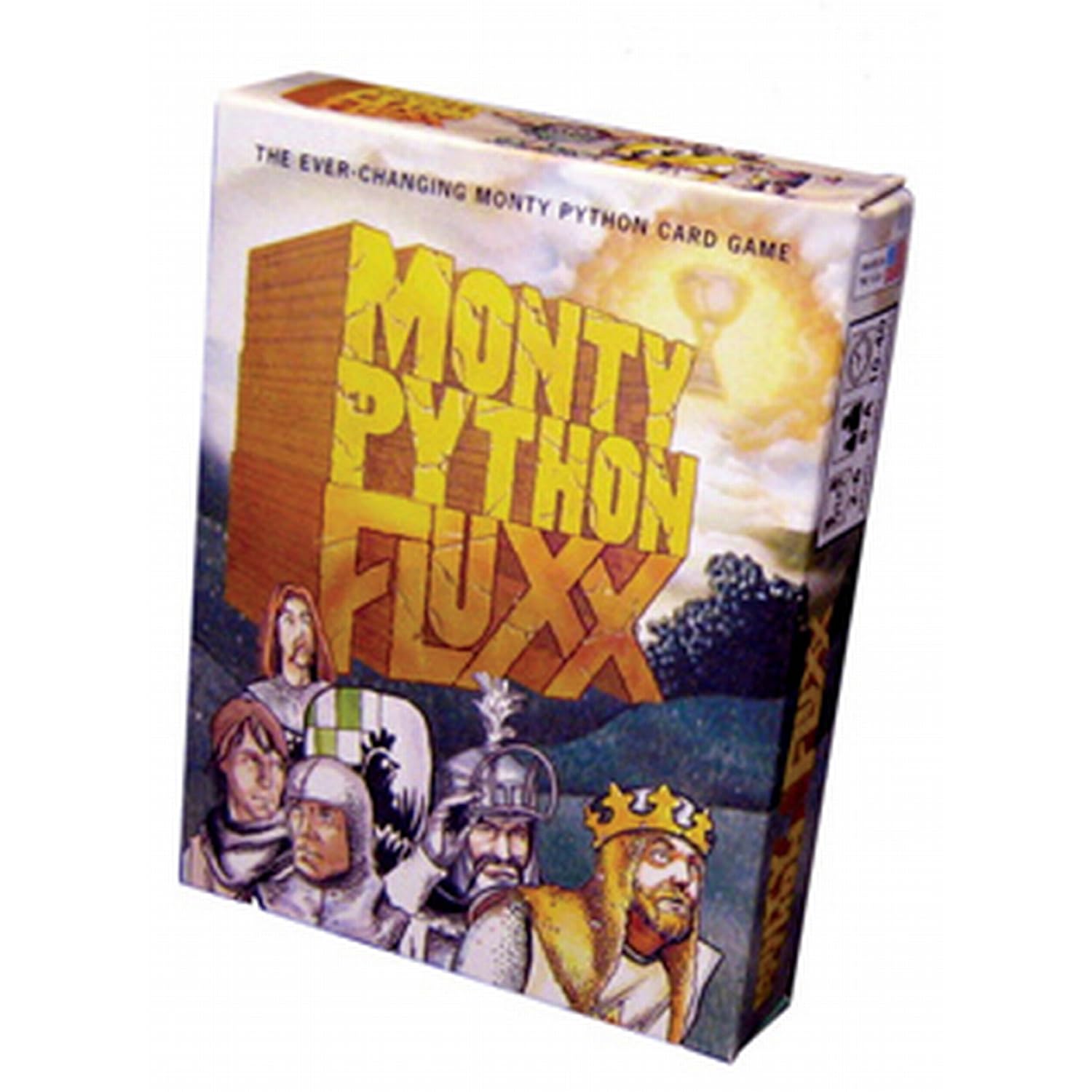
: Boy of Nuevo Jersey and  Toren the Teller’s Tale! Yes! Also went the local comic book store to for a games evening. Played Fluxx, which is silly and a lot of fun, Bohnanza, which was kind of fun, and Ingenius, which is very clever. 

Ate: Sweet potato sushi from the Shoprite (it wasn't fresh, so it wasn't very good) and a California roll from the local pizza place, which was delicious


Wore: A steampunk angel t-shirt (from ThinkGeek) and one of my new prism necklaces
Bought: Put the Monty Python version of Fluxx in my Amazon shopping cart, although I haven't bought it yet
Fun level: Great!

Creativity level: so-so, because I was working on the library edition of Dan Quixote, and I had to make some changes to the cover. I also added a classroom discussion section on conformity, individualism, and bullying to the end of the book

Brain activity: Between all the formatting and playing intelligent games, very active